
Attic Insulation and Air Sealing in Hudson, WI
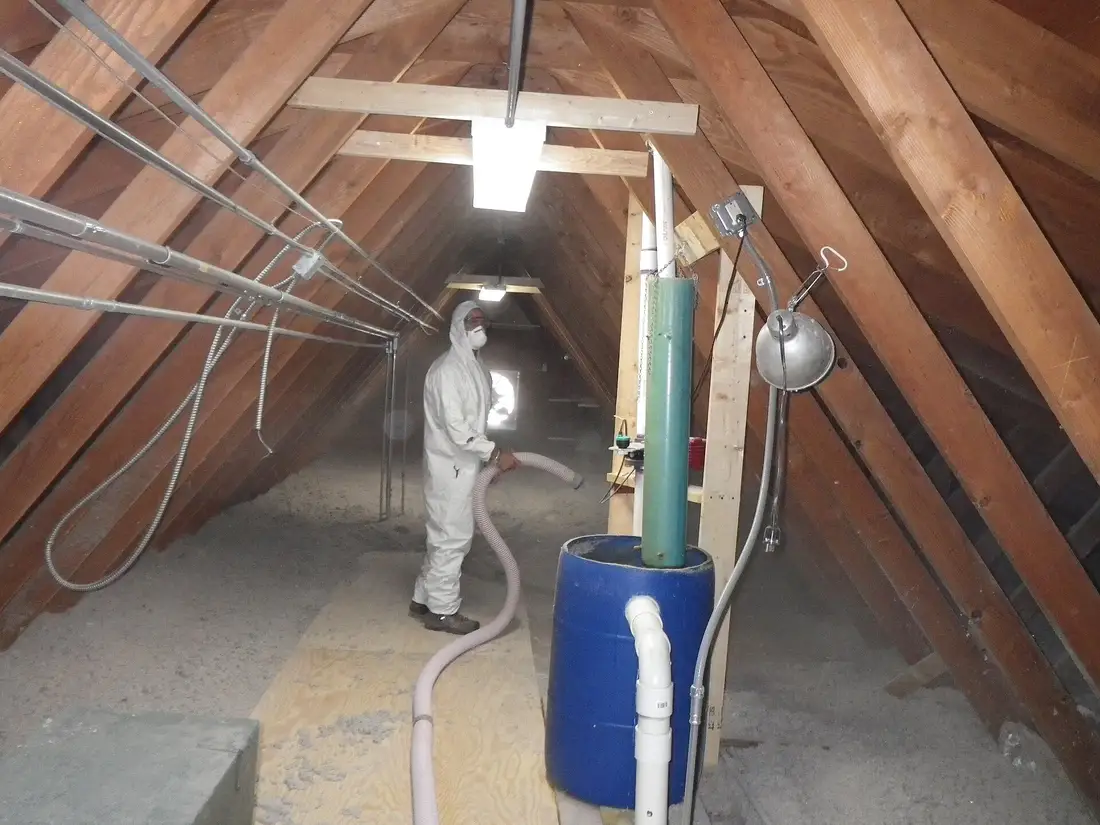
Attic insulation and air sealing in Hudson close the gaps that let warm house air into the attic and then build the insulation up to the depth a Wisconsin attic needs, which keeps the roof cold and is the lasting fix for ice dams. Hudson Roofing Pros seals and insulates attics on homes across Hudson and western Wisconsin, with the roof and its venting in mind.
Available now · Open 24 hours
- Licensed
- Insured
- Since 2016
- Certified Technicians
- 10-Year Workmanship Warranty
- GAF Certified Contractor
What Attic Insulation and Air Sealing Do for a Hudson Home
Attic air sealing stops warm, moist air flowing from a Hudson home into the attic, and attic insulation slows the heat that still passes through the ceiling, so together they keep the attic and the roof deck cold all winter.
Sealing comes first. Air leaking through gaps in the top-floor ceiling carries heat straight past the insulation, so the ceiling is made airtight before more insulation goes on. For Wisconsin attics, the recommendation is R-49 or higher, which is about 18 inches of fiberglass insulation, and an attic with no insulation at all should get R-60 in this climate zone.
A cold roof deck is what stops ice dams for good. Snow on it stays frozen until it melts evenly, instead of melting at the top and refreezing at the eaves, which is why this work sits at the center of ice dam prevention. It also keeps moist air from frosting onto the underside of the roof.
Insulation for Wisconsin attics
R-49 or more
About 18 inches of fiberglass insulation, laid over a ceiling that has been sealed first.
Signs Your Hudson Attic Needs Insulation or Air Sealing
The surest signs a Hudson attic needs insulation or air sealing are ice dams at the eaves and patches of bare roof while the rest of the roof is still under snow.
Ice Dams Every Winter
Ice along the gutters means the upper roof is warm enough to melt snow, from heat escaping through the ceiling.
Bare Spots in the Snow
Melted patches on a snowy roof sit right above where heat is leaking from the rooms below.
Frost Under the Roof Deck
Frost or drips on the sheathing in winter show moist house air is getting into the attic.
Thin Insulation
If you can see the tops of the ceiling joists, the attic is far below the 18 inches or so that R-49 takes.
Leaky Ceiling Openings
Recessed can lights, ceiling fans, drop soffits and chimney chases are the common leak points.
Damp or Packed-Down Insulation
Insulation that has soaked up moisture or been crushed holds back far less heat than it should.
Getting ice dams or frost in your Hudson attic?
We can find where the heat is getting out and tell you what it takes to stop it.
How We Insulate and Air-Seal a Hudson Attic
We insulate and air-seal a Hudson attic by finding the air leaks in the ceiling, sealing them, keeping the vent paths at the eaves open and then adding insulation to R-49 or more.
- 1
Look at the Attic
We check the depth of the insulation, look for frost or water marks and see whether the soffit vents are open.
- 2
Seal the Ceiling
We seal the gaps around can lights, ceiling fans, drop soffits, the chimney chase and other openings into the attic.
- 3
Keep the Vents Clear
Insulation must not block the free flow of air, so we keep the path from the soffit vents open before adding more.
- 4
Add Insulation
We build the insulation up to R-49 or more across the attic floor.
- 5
Check the Venting
We make sure air can leave high on the roof, through a ridge vent or other high vents, so the attic stays dry.
More Insulation Alone or Air Sealing First?
Air sealing first, then insulation, is what works in a Hudson attic, because warm air leaking through ceiling gaps carries heat straight past insulation laid over them.
Adding insulation without sealing can still leave ice dams over every leaky light and chase. Sealing first means each inch of insulation does its full job.
More Insulation Alone
- Slows heat through the ceiling
- Leaves air leaks open under it
- Ice dams can keep forming over leak points
- Moist air still reaches the roof deck
Air Sealing, Then Insulation
- Stops warm, moist air entering the attic
- Lets the insulation work at its full value
- Keeps the roof deck cold so ice dams stop
- Cuts frost under the roof
Want your Hudson attic sealed and insulated before winter?
Tell us about the ice or frost you have seen and we will look at the attic.
What Does Attic Insulation and Air Sealing Cost in Hudson?
Attic air sealing plus insulation can cost $3,000 to $6,500 in Minnesota, and blown insulation alone runs $1.20 to $1.60 a square foot in the Twin Cities; these are Twin Cities and Minnesota ranges, not a quote.
The size of the attic, how much insulation is already there and how many leaks need sealing set the price on a Hudson home. Focus on Energy rebates can cover part of it when the conditions are met.
Air sealing and attic insulation
Twin Cities and Minnesota ranges, not a quote.
Can Focus on Energy Rebates Pay Toward Attic Insulation in Hudson?
Focus on Energy pays 2026 rebates toward attic insulation and air sealing in Wisconsin homes, but only when a participating Trade Ally does the work and the home meets the program's conditions.
The home must be an existing home served by a participating utility that supplies at least 51% of its heat. Around Hudson the program lists Xcel Energy, River Falls Municipal Utilities, New Richmond Utilities, Pierce Pepin Cooperative Services and St. Croix Gas; St. Croix Electric Cooperative was not on its list. The work must be done on or after January 1, 2026, the rebate cannot exceed the cost, there is no insulation rebate if the same category got one in the last three years, and the air sealing rebate needs an energy assessment.
| Rebate | Income above 150% of area median | 80% to 150% | Below 80% |
|---|---|---|---|
| Attic insulation | $650 | $750 | $850 |
| ENERGY STAR air sealing | $850 | $1,160 | $1,475 |
If you want the rebate, check Focus on Energy's list of participating Trade Allies before you book anyone, us included, and confirm the application deadline with Focus on Energy. Homeowners who do the work themselves can get $200 for attic insulation plus air sealing that reaches R-42 or more over at least 600 square feet.
What Wisconsin Requires When Your Hudson Attic Is Insulated
Wisconsin requires that attic insulation not block the free flow of air in a vented attic, and that the attic keep its venting: at least 1 square foot of open vent area per 300 square feet of ceiling when half to three-quarters of it is high, or per 150 when three-quarters or more is high.
An attic can instead be built unvented when insulation that air cannot pass through is applied directly to the underside of the roof deck, under the conditions the code sets. The ice barrier at the eaves is a separate roof rule, covered under ice and water shield, and it backs up the insulation by keeping out any water that does back up. The full picture of venting and underlayment is under roof ventilation and underlayment.
Hudson Roofing Pros does this work, and Wisconsin's definition of a dwelling contractor names insulating along with roofing: any contractor who pulls a building permit for work on a one- or two-family home must hold the state's Dwelling Contractor certification and hold or employ a certified Dwelling Contractor Qualifier. Ask us for proof of our credential and insurance when you book.
Attic Insulation and Air Sealing FAQs
How Much Attic Insulation Does a Hudson Home Need?
R-49 or higher is the recommendation for Wisconsin attics, about 18 inches of fiberglass insulation, and an attic with none at all should get R-60 in this climate zone.
Will Attic Insulation and Air Sealing Stop Ice Dams?
Yes, sealing and insulating the attic is the lasting fix for ice dams because it keeps the roof deck cold. If ice is already leaking into your home, ice dam removal clears it first.
Who Has to Do the Work to Get a Focus on Energy Rebate?
A participating Focus on Energy Trade Ally has to do the work for the contractor-installed rebates, so check the Trade Ally list before you book. The $200 do-it-yourself rebate is the exception.
Can I Just Add Insulation Without Air Sealing?
You can, but air leaking through ceiling gaps carries heat past the insulation, so sealing first is what makes the insulation work.
Will More Insulation Block My Attic Vents?
It must not; Wisconsin requires that insulation not block the free flow of air, so we keep the vent path from the soffits clear when insulation goes in.
Get an attic insulation estimate
Send the form or call us and tell us about the ice dams, frost or drafts you have noticed. We will look at the attic and price the sealing and insulation.
Call now (651) 691-2168 Open 24 hours, 7 days a week